For years, Nigerian civil servants have learned not to take the so-called “13th-month salary” for granted, a discretionary year-end bonus that different administrations have paid, trimmed, delayed or scrapped entirely depending on the mood of the government in power. In Delta State, that uncertainty may soon be a thing of the past.
The Delta State Government has taken a decisive legislative step to shield the benefit from the discretion of any sitting governor, present or future. An executive bill formalising the 13th-month salary as a permanent statutory entitlement has now scaled through the State House of Assembly and awaits Governor Sheriff Oborevwori’s assent; expected as soon as he returns from a short official leave.
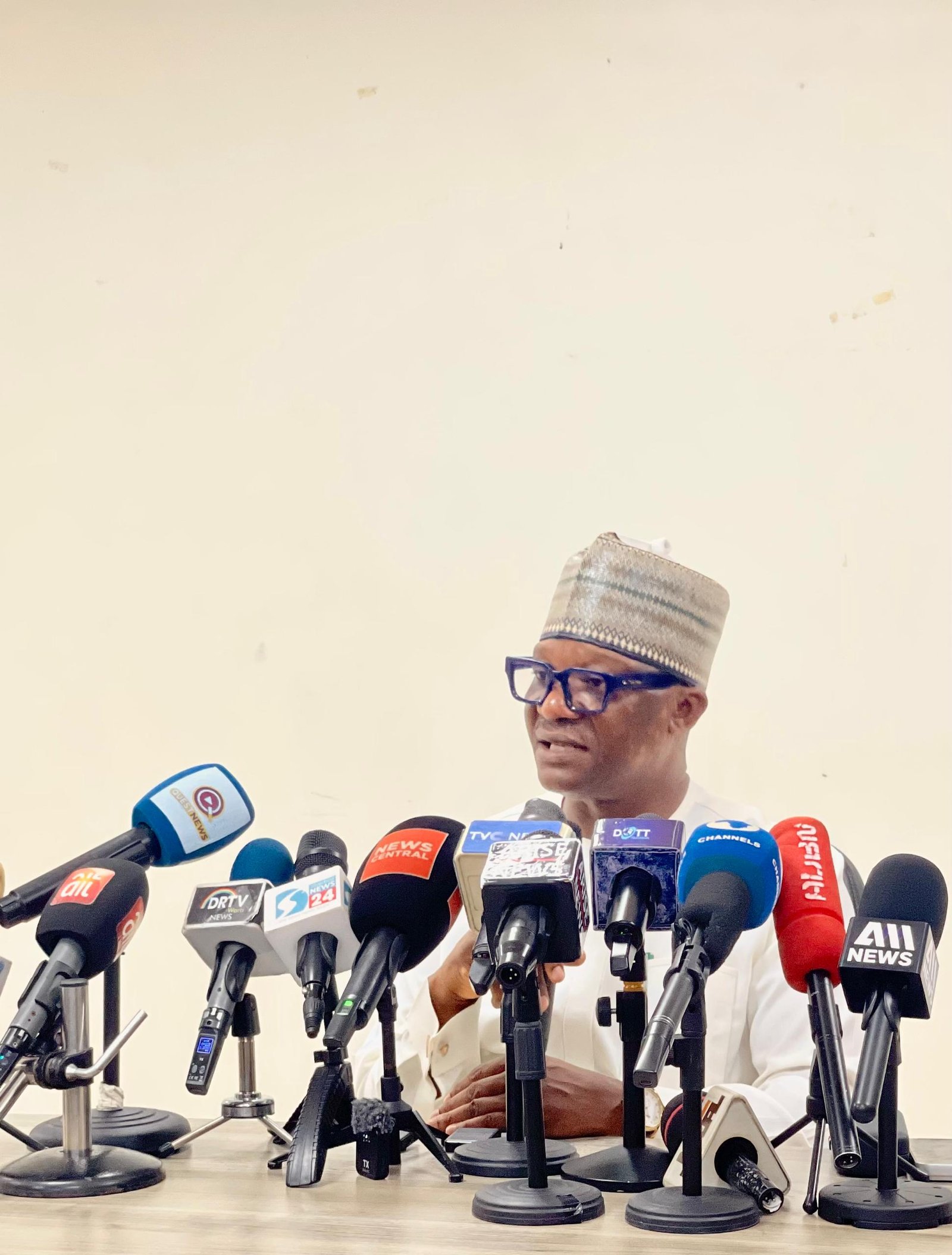
Commissioner for Works (Rural Roads) and Public Information, Charles Aniagwu, disclosed this at a press briefing in Asaba on Friday, framing the bill as one of the more consequential welfare reforms of the administration’s tenure. “A couple of days ago, you witnessed the signing; the transmission by the Governor, of the proposed executive bill, to give strength [to this policy] and to make it enjoy a life that is going to go beyond his administration,” Aniagwu told reporters.
The move builds on an earlier decision of the Delta State Executive Council, which in July approved institutionalising the 13th-month payment as council policy before it was forwarded to lawmakers for legal backing. At the time, Aniagwu had explained the thinking behind seeking legislative rather than purely administrative cover for the policy: “Once the bill is passed into law, workers in the state will continue to enjoy the benefit beyond the tenure of the present administration.”
Speaking on Friday, the Commissioner was emphatic that the payment would not be a watered-down or symbolic gesture. “Now civil servants will be paid a 13th-month salary, and let me emphasize that this 13th-month salary is not just on the basic. It is the same thing that you earn in December, that is what you earn as the 13th month,” he said, stressing that workers would effectively receive a second full December-equivalent paycheck.
Aniagwu also thanked lawmakers for moving quickly once the bill was transmitted. “We want to use this opportunity to appreciate our brothers and sisters in the House of Assembly, who gave it expeditious action and considered that bill immediately without wasting time,” he said. “Today, the bill has been passed and is awaiting the Governor’s assent.”
Beyond the direct benefit to workers, the Commissioner argued the policy was designed with the wider economy in mind; extra income in the hands of thousands of civil servant households, he said, ripples outward into local spending, school fees, and small businesses. “It means that civil servants will be able to send their children back to school in January,” he said, alluding to the financial strain many families face after the festive season. “It’s not just a salary; it is a means of life that can further trigger other development.”
Pressed by reporters on whether the state could sustain such an obligation long-term, Aniagwu pointed to Delta’s improving revenue base as reassurance. He cited a rise in the state’s Internally Generated Revenue from ₦75 billion annually in 2023 to ₦204 billion today, a trajectory he said would only strengthen as more investment; including new entrants at the Koko Free Trade Zone, begins contributing tax revenue. “That is not going to shrink, because we are not going to sleep,” he said. “It will increase when more companies come in.”
The 13th-month salary law would join a growing list of welfare-focused legislation recently signed in Delta, including the Delta State Social Investment Programme Law, which the Governor has said provides “a legal framework for equitable, grassroots-focused access to resources and services” for vulnerable residents, a framework that dovetails closely with the grassroots empowerment scheme Aniagwu also unveiled at Friday’s briefing.