Stakeholders in disability rights and inclusive development have called for stronger enforcement and implementation of disability laws in Delta State, urging governments and institutions to move beyond sympathy toward deliberate policies, accessible infrastructure and inclusive mindsets.
The call was made at a two-day Media Engagement, Advocacy and Journalists’ Training on Disability Inclusion and Rights, organised by TAF Africa under the Disability Rights Advocacy Project for Inclusive Development (D-RAPID) in Asaba.
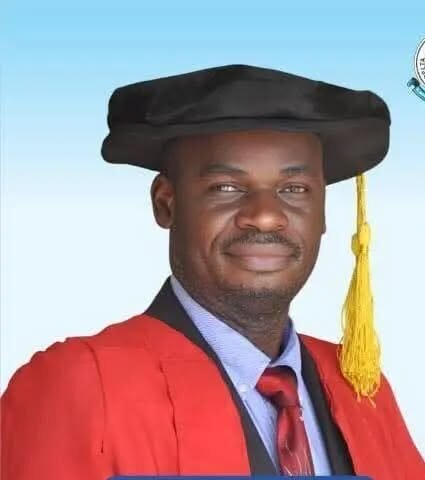
Speaking at the event, Dr. Andrew Adaji, State Coordinator of TAF Africa in Delta State, said limited public awareness and weak implementation continue to undermine the impact of existing disability legislation.
“Many people still view disability as an issue of pity rather than rights. The law exists, but most citizens are unaware of its provisions or how it applies at the state level,” Adaji said.
He noted that although Nigeria’s National Disability Act provides for employment quotas, accessibility standards and non-discrimination, compliance remains poor in many states.
“While the national framework recommends at least five per cent inclusion in employment, implementation in Delta State is far below that threshold. This means many qualified persons with disabilities remain excluded from opportunities,” he added.
Adaji also drew attention to the widespread inaccessibility of public infrastructure, describing it as a major barrier to inclusion.
“Most public buildings, schools and transport systems are not designed to accommodate persons with physical, visual or hearing impairments. The absence of ramps, lifts and assistive signage excludes people before they can even participate,” he said.
On education, he stressed that inclusion must be intentional and properly resourced.
“Inclusion is not just about admitting a child with a disability into a school. It requires trained educators, assistive technologies and an environment that supports learning with dignity,” Adaji explained.
Also addressing participants, Dr. Olatunde Olotu, Managing Director of Koyo Healthtech Ltd, highlighted the role of digital health solutions in improving access to healthcare, particularly for persons with disabilities.
He said the company developed Koyo Navigate, a mobile health application that provides 24-hour access to licensed medical professionals, in response to overcrowded hospitals and limited access to timely care.
“Access to healthcare should not depend on long queues or physical presence in hospitals. Technology can bridge that gap and provide personalised medical support when it is most needed,” Olotu said.
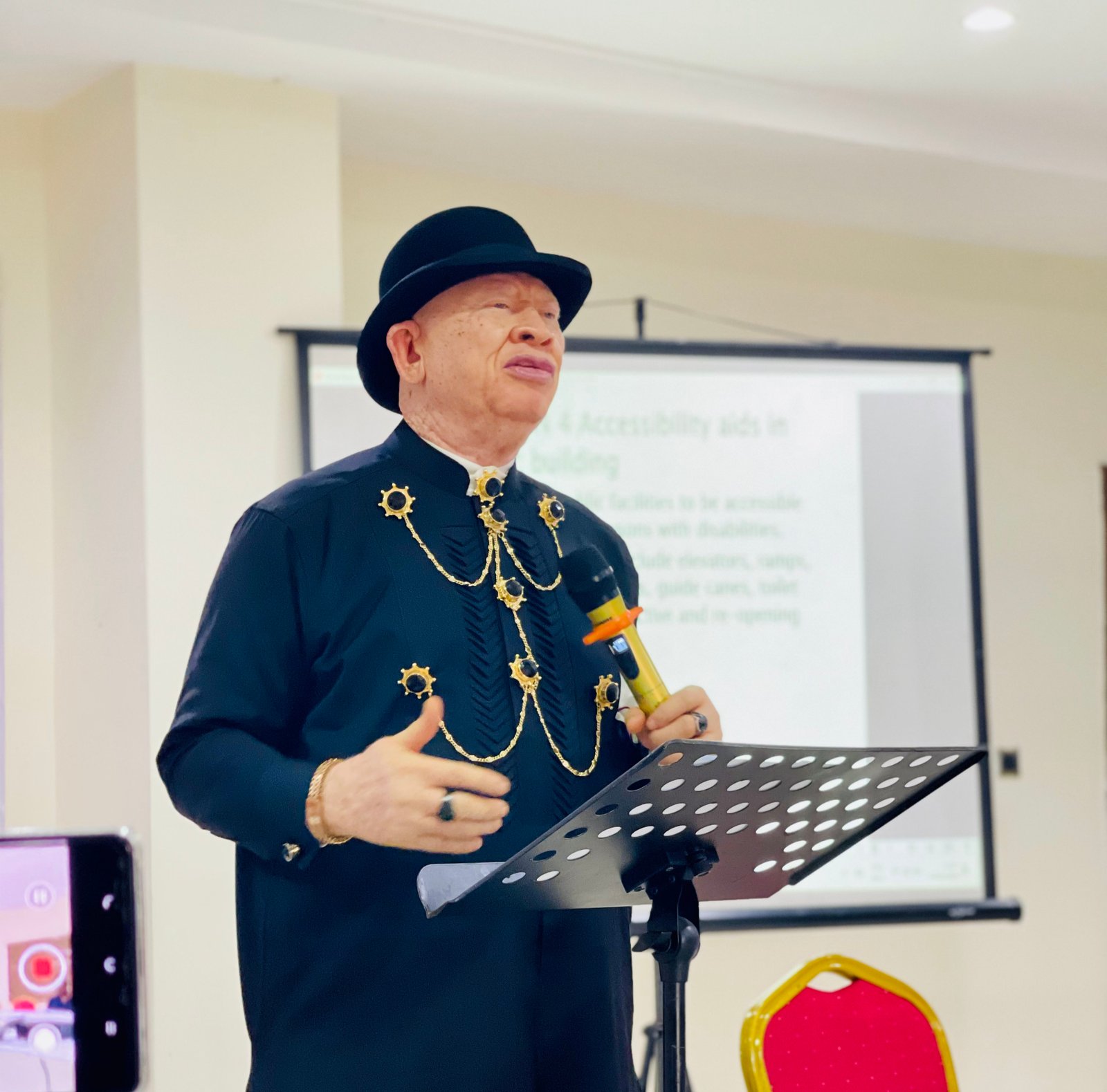
Taking a strong position on education policy, Mr. Jake Epelle, Founder and Chief Executive Officer of TAF Africa, criticised segregated schooling, describing so-called “special schools” as inconsistent with inclusive development.
“When you isolate children with disabilities in separate schools, you remove them from society. That approach creates segregation, not inclusion,” Epelle said.
He advocated inclusive education models supported by resource centres within mainstream schools, aligned with global best practices.
“Every school should have a resource centre. Special needs teachers can support children within regular classrooms using appropriate tools and assistive devices,” he explained.
Citing international examples, including the United Kingdom, Epelle said inclusive systems allow persons with disabilities to achieve their full potential when barriers are removed.
“There is nothing a person with a disability cannot become if society removes the obstacles. Disability is not inability; society is the real barrier,” he stated.
Participants at the training collectively called for full implementation of disability laws, the establishment of functional6 disability commissions at the state level, and sustained public enlightenment through the media.
The training, which runs from Wednesday to Thursday, brings together journalists, persons with disabilities, advocates and development partners to strengthen ethical, rights-based reporting and promote inclusive development in Delta State.