The Delta State Government has intensified measures aimed at improving the purchasing power of residents and ensuring that the benefits of its economic reforms are felt directly at the grassroots.
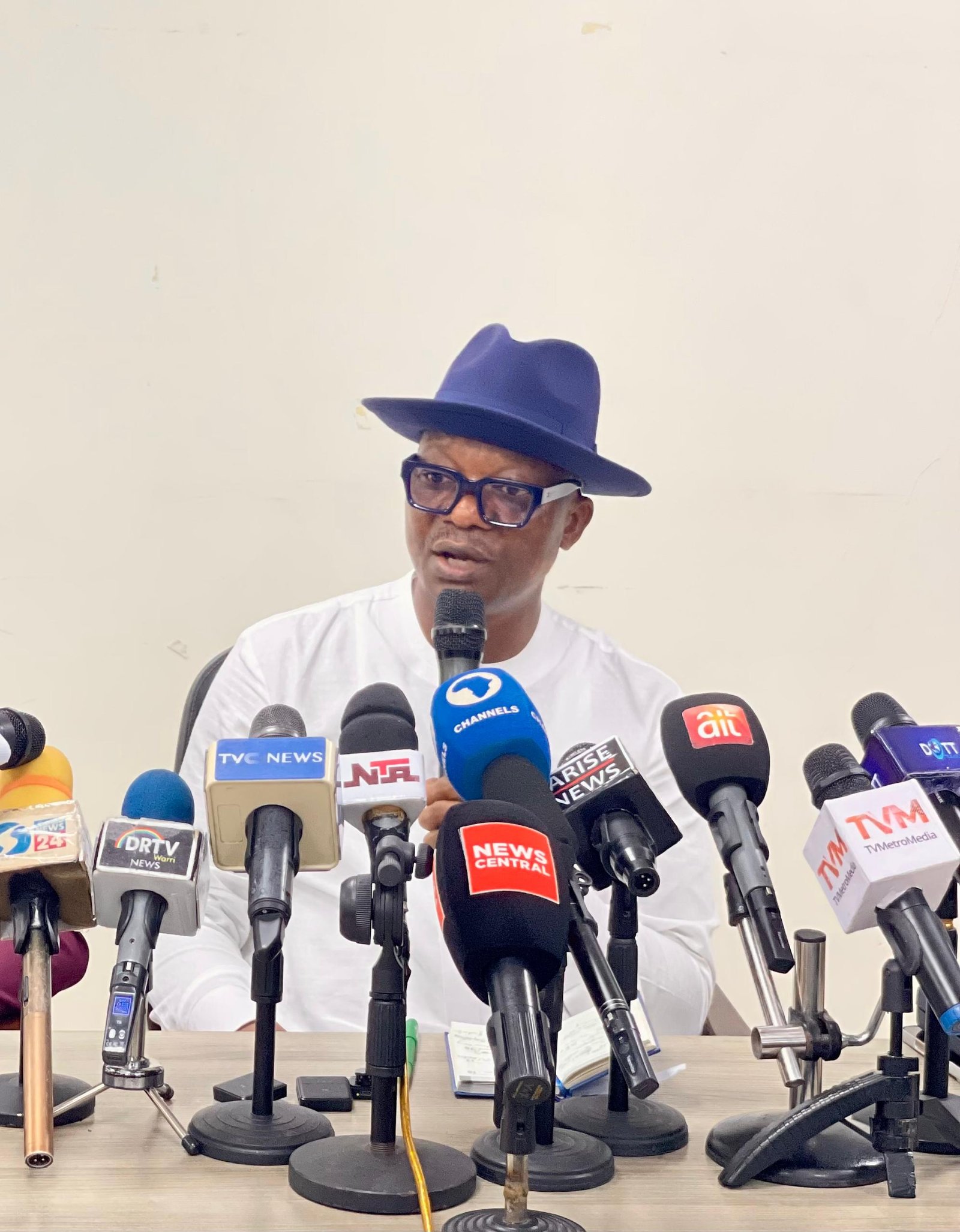
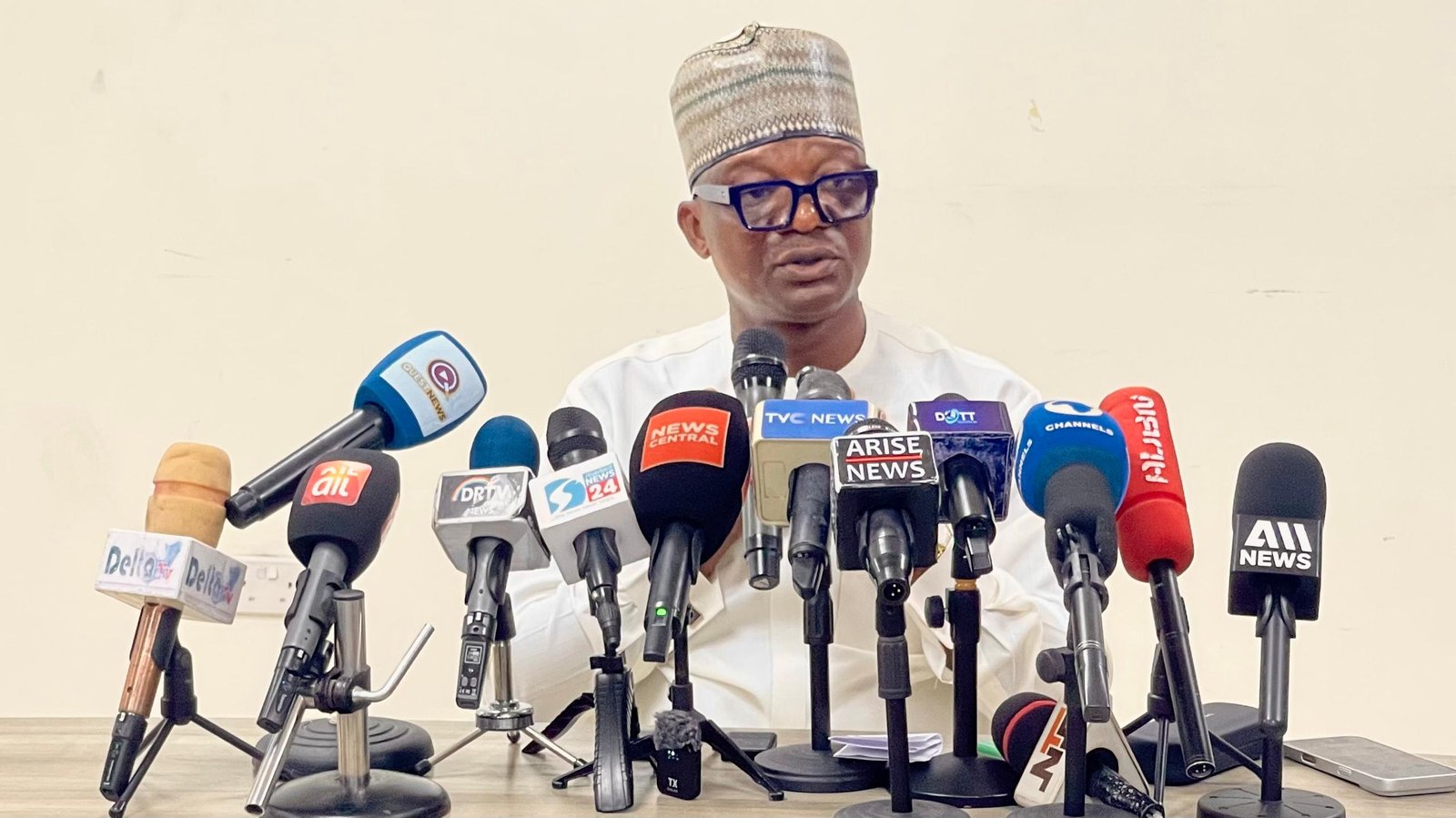
Commissioner for Works (Rural Roads) and Public Information, Mr. Charles Aniagwu, stated this on Friday during a press briefing at the Ministry of Information Conference Hall, Asaba, where he outlined a range of interventions by the Governor Sheriff Oborevwori administration to stimulate local economic activities and cushion the effects of the current economic challenges.
Aniagwu said the administration had become “much more intentional than ever before” in translating its improved financial position into tangible benefits for Deltans, particularly people operating nano businesses and other small-scale enterprises. He explained that the strategy was designed to inject purchasing power into communities and stimulate a chain of economic activities.
According to him, Governor Oborevwori had directed councillors across the state to empower 200 persons in each ward, which, based on 500 wards, amounts to about 100,000 beneficiaries and approximately ₦5 billion being injected directly into the grassroots economy. He added that similar interventions were being undertaken by political leaders and other stakeholders in various communities.
The Commissioner cited Ika North East as an example, saying about ₦70 million had been distributed across wards there, while councillors and other interventions had contributed an additional estimated ₦200 million, bringing the local injection to about ₦270 million.
He explained that the focus on nano businesses was deliberate because people at that level of the economy needed immediate support to survive and participate meaningfully in economic activities.
“We believe the reforms that have given some form of life back at the macro level came with real challenges for our people, and it is important that those challenges are dealt with,” Aniagwu said, stressing that putting money directly in the hands of people would stimulate consumption, expand businesses and ultimately encourage further investment.
The Commissioner also highlighted the proposed institutionalisation of the 13th-month salary for public servants, saying the initiative was designed to strengthen workers’ purchasing power while creating a legal framework that would ensure continuity beyond the present administration. The Delta State House of Assembly passed the Executive Bill on September 15, 2026, following its third reading.
Aniagwu explained that the 13th-month salary would not be calculated on basic salary alone, but would correspond to the full amount a worker earns in December. He said the additional payment would inject another month’s payroll into the state’s economy, with workers spending on school fees, food, clothing and other necessities.
He said Delta’s Internally Generated Revenue had increased from about ₦75 billion annually in 2023 to approximately ₦204 billion, attributing the improvement to prudent resource management and an expanding economic base. He expressed optimism that the emergence of more businesses, including those expected at the Koko Free Trade Zone and Special Economic Zone, would further expand the state’s revenue base.
Responding to concerns about whether the interventions were politically motivated ahead of the 2027 elections, Aniagwu rejected the suggestion, saying the administration’s objective was to strengthen purchasing power, promote industrialisation and improve security by reducing the economic pressures confronting households.
He said the government had also maintained regular salary payments, with workers now receiving their salaries between the 22nd and 25th of each month, while contractors were being mobilised for projects at significantly higher levels than before 2020. He added that the state’s four universities had enjoyed a more stable academic calendar without the disruptions associated with prolonged industrial actions.
On the ongoing renovation of public schools, Aniagwu acknowledged concerns about inadequate furniture in some renovated schools, attributing part of the challenge to vandalism. He said thousands of desks and chairs were already being produced by furniture manufacturing companies, with one in Asaba and distributed to schools across the state, adding that the process was still ongoing.
The Commissioner also responded to questions about what Delta had gained from the Federal Government, citing the ongoing Asaba interchange project linking the state to the Second Niger Bridge, student loan support for indigent students, alternative routes provided during the maintenance of the First Niger Bridge and ongoing rigid pavement construction towards the Niger axis.
On reports of widespread poverty at the grassroots, Aniagwu maintained that government was not denying the reality of hardship but was deliberately introducing interventions to address it. He likened the process to applying ointment to a wound, explaining that macroeconomic improvements take time to reach people at the lowest level of the economy.
He said the government was simultaneously investing in roads, schools and hospitals and attracting private investment, but stressed that infrastructure and investment would only translate into sustainable economic activity if residents had sufficient purchasing power to patronise businesses.
Aniagwu also explained the mechanism being used to identify beneficiaries of the grassroots empowerment programme, saying councillors worked with community structures, churches, quarters and polling units to identify people considered genuinely in need. He said the distribution was conducted openly within communities to allow residents to witness the process and guard against diversion.
Reacting to questions over reports that voters’ cards were being checked or collected from beneficiaries, the Commissioner said he was not personally aware of any collection of voters’ cards. He, however, explained that many people engaged in nano businesses lacked other forms of identification and that the card could therefore be presented for identification and confirmation of community residency. He stressed that requesting to see an identification document was different from vote-buying.
On calls for a comprehensive online record of the achievements of the Oborevwori administration, Aniagwu disclosed that the government already had a compendium documenting the administration’s achievements during its first three years, with an updated version produced around the Economic and Investment Summit to capture additional projects and interventions.
He said the government had moved beyond addressing the availability of basic commodities and services to confronting the affordability challenge, describing the approach as a gradual process aimed at preventing further inflationary pressure.
“The affordability issue is what we are now trying to address,” he said, explaining that government was using targeted interventions to ensure that the benefits of improved macroeconomic stability gradually reached ordinary residents.
Aniagwu further appealed for continued collaboration between the government and the media, saying journalists had an important role to play in providing the public with accurate information about government policies, programmes and interventions.